Transmission fluid keeps your gears shifting smoothly, and checking it can catch expensive problems early. The catch: many newer cars are “sealed” and have no dipstick. Here’s how to check it if yours has one — and what to do if it doesn’t.
| Time | About 10 minutes |
|---|---|
| Difficulty | Easy to moderate |
| You’ll need | A clean rag; a funnel if topping up |
| How often | Per your owner’s manual |
How to check transmission fluid, step by step
- Read your owner’s manual. Procedures vary a lot: many automatics are checked with the engine running and warmed up, in Park, on level ground — but some differ, so follow your car’s specific steps.
- Warm up the car if the manual says to, then park on level ground and leave it running (for most automatics) with the gear in Park.
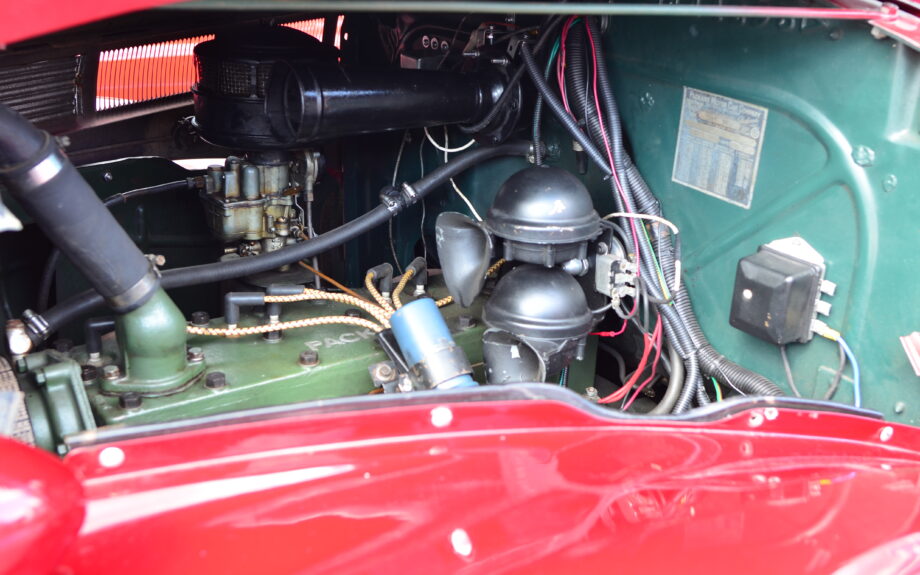
- Locate the transmission dipstick. It’s usually separate from the engine-oil dipstick, often toward the back of the engine bay, sometimes with a red or distinct handle.
- Pull it out and wipe it clean with your rag.
- Reinsert fully, then pull it out again and read the level against the “full” marks (there may be separate “cold” and “hot” ranges).
- Check the fluid’s color and smell. Healthy automatic transmission fluid is pink or red and fairly clear. Dark brown fluid, or a burnt smell, means it needs servicing.
- Top up only if low, using the exact fluid specified in your manual and a funnel. Add a little at a time and recheck — overfilling causes problems too.
How often should you check transmission fluid?
Follow your manual, but a periodic check is wise, especially if you notice rough or delayed shifting, slipping, or a burnt smell. Many manufacturers recommend a fluid service somewhere between 30,000 and 60,000 miles, though sealed systems and severe-use schedules vary.
FAQ
What if my car has no transmission dipstick?
Your transmission is sealed and designed to be checked at a service center, which uses a fill plug and specific procedure. Don’t try to force a check — book a technician if you suspect a problem.
What color should transmission fluid be?
Pink or red and relatively clear when healthy. Dark brown fluid or a burnt odor means it’s degraded and should be serviced.
Can I drive with low transmission fluid?
You shouldn’t for long. Low fluid causes slipping, overheating and can permanently damage the transmission. Top up or get it serviced promptly.