Worn brake pads are one of the most common — and most dangerous — things drivers overlook. The good news: you can get a solid read on your pads in about 15 minutes, often without removing a wheel. Here’s how.
| Time | About 15 minutes |
|---|---|
| Difficulty | Easy to moderate |
| You’ll need | A flashlight (jack & stands for a closer look) |
| How often | Every oil change / ~10,000 miles |
How to check your brake pads, step by step
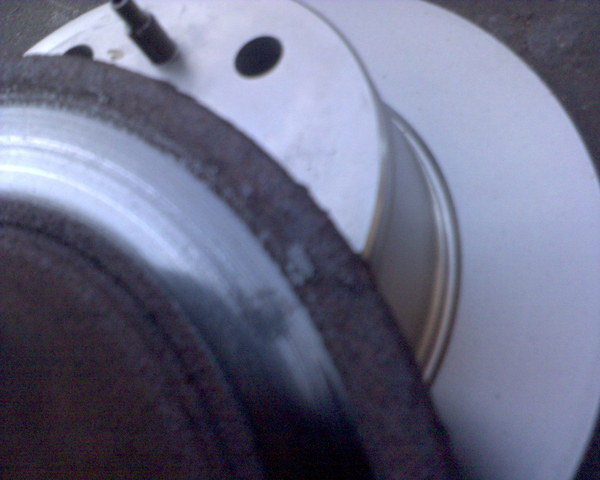
- Look through the wheel spokes. On most cars you can see the brake pad pressed against the shiny metal rotor through the gaps in the wheel.
- Estimate the pad thickness. A healthy pad has plenty of friction material — generally more than about 1/4 inch (6–7 mm). If it looks thinner than roughly 1/8 inch (3 mm), plan to replace it soon.
- Listen for warning sounds. A high-pitched squeal when braking is usually the built-in wear indicator telling you pads are low. A grinding or growling noise often means metal-on-metal — replace immediately.
- Feel for symptoms. A vibrating or pulsing brake pedal, longer stopping distances, or the car pulling to one side all point to brake wear.
- For a closer look, remove the wheel. Loosen the lug nuts, safely jack the car up and set it on jack stands, then take the wheel off.
- Inspect the pads directly. Check the thickness of both the inner and outer pad, and look at the rotor for deep grooves or a pronounced lip.
- Reinstall the wheel and tighten the lug nuts to the correct torque in a star pattern.
How often should you check brake pads?
Inspect them at every oil change or roughly every 10,000 miles, and any time you hear or feel something off. Pads typically last 25,000–70,000 miles depending on driving style and conditions, so city drivers who brake often will wear them faster.
FAQ
How do I know if my brake pads are worn out?
Watch for a squealing sound when braking (the wear indicator), grinding noises, a vibrating pedal, longer stopping distances, or visibly thin pad material through the wheel.
How thick should brake pads be?
New pads are around 10–12 mm. Below about 3 mm (1/8 inch) they should be replaced soon; grinding means they’re already gone.
Can I check brake pads without removing the wheel?
Often yes — you can usually see the outer pad and rotor through the wheel spokes. Removing the wheel gives a more precise measurement of both pads and the rotor.