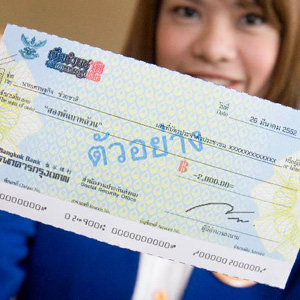
A cashier’s check is a secure, bank-guaranteed payment often required for big purchases like a car, a home deposit or a security deposit. Here’s how to get one, what it costs, and what to bring.
| Time | 15–30 minutes |
|---|---|
| Typical cost | About $8–$15 |
| You’ll need | Photo ID, the funds, payee name |
| Where | Your bank or credit union |
What is a cashier’s check?
A cashier’s check is drawn on the bank’s own funds, not your personal account. Because the bank guarantees it, sellers trust it for large amounts far more than a personal check — which is why it’s commonly requested for cars, real-estate deposits and similar payments.
How to get a cashier’s check, step by step
- Go to your bank or credit union. You usually need to be an account holder. Many banks also let you order one online or by phone for mail delivery.
- Make sure the funds are available. The bank withdraws the full amount from your account immediately, plus the fee, so the money needs to be there and settled.
- Bring a government-issued photo ID and know the exact name of the payee and the exact amount.
- Request the check from the teller. They’ll verify your funds, collect the amount and fee, and print the cashier’s check with the payee’s name on it.
- Get and keep the receipt. You’ll need it to request a replacement if the check is ever lost or stolen.
- Double-check the details — payee name and amount — before you leave, since cashier’s checks are difficult to cancel once issued.
FAQ
How much does a cashier’s check cost?
Usually about $8 to $15 at most banks, though some waive the fee for premium account holders. Credit unions are often cheaper.
Can I get a cashier’s check without a bank account?
Sometimes. A few banks will issue one to non-customers if you pay with cash, but many require an account. A money order is an alternative for smaller amounts.
Cashier’s check vs money order — what’s the difference?
Money orders are cheaper and available at many stores and post offices, but capped (often $1,000). Cashier’s checks have no practical limit and are backed by the bank, making them better for large payments.