Voiding a check is how you share your bank account details safely — usually to set up direct deposit or automatic payments. It takes about a minute, and the check can’t be used to take money. Here’s how to do it.
| Time | About 1 minute |
|---|---|
| Difficulty | Easy |
| You’ll need | A blank check and a pen |
| Why | Direct deposit or autopay setup |
How to void a check, step by step
- Use a blank check from your checkbook. Don’t fill in the payee, amount or date.
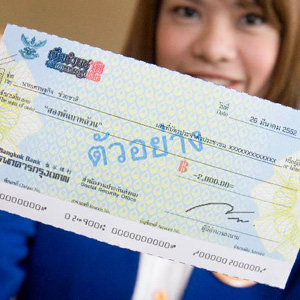
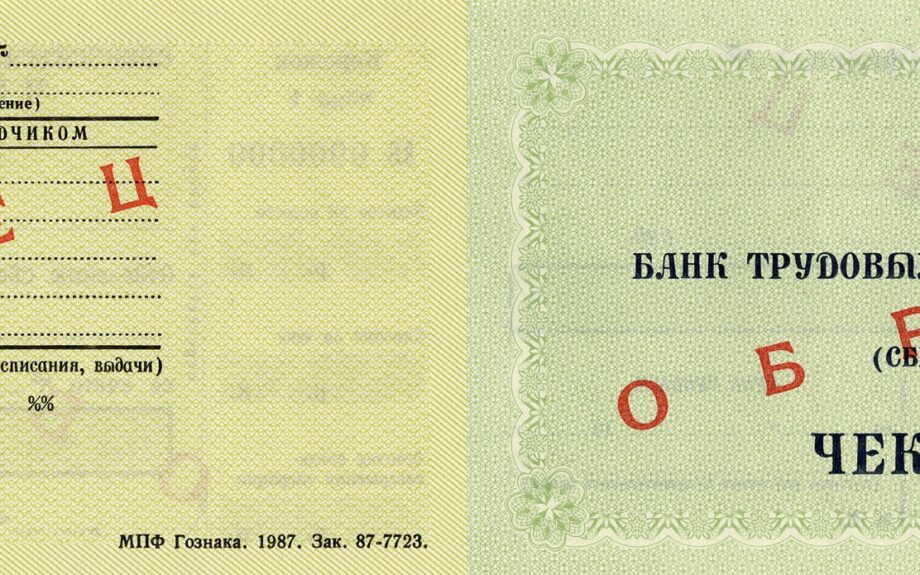
- Write “VOID” in large letters across the front of the check, using blue or black ink. Make it big enough to cover the payee line, amount boxes and signature line.
- Keep the numbers at the bottom readable. Don’t write over the routing and account numbers on the bottom edge — those are exactly what the check is being used to share.
- Never sign it. A voided check should not have your signature.
- Record it in your check register, noting that this check number was voided, so you can account for the gap.
- Submit it to whoever requested it — your employer for direct deposit, or a biller for autopay. Many let you upload a photo instead of the paper check.
No checkbook? You can usually get the same information from your bank’s app or website (look for “direct deposit form” or account and routing numbers), so you may not need a paper check at all.
FAQ
Why would someone need a voided check?
It gives an employer or company your bank’s routing number and your account number so they can set up direct deposit or automatic withdrawals — without the check being usable as a payment.
Is it safe to give someone a voided check?
The check itself can’t be cashed, but it still shows your account and routing numbers, so only give one to a trusted party like your employer or a legitimate biller.
Can I void a check I already wrote?
Yes, if it hasn’t been cashed. Write “VOID” across it, note it in your register, and if it’s already been handed over, contact your bank about a stop payment.